Project Archive
Engineering Systems /
Built with Code & Physics
Bridging the physical and digital worlds. From mechanical first principles to deployed predictive intelligence. Use the filters to jump to specific domains.
Outcome
Optimized bracket
Role
Design & Analysis Engineer
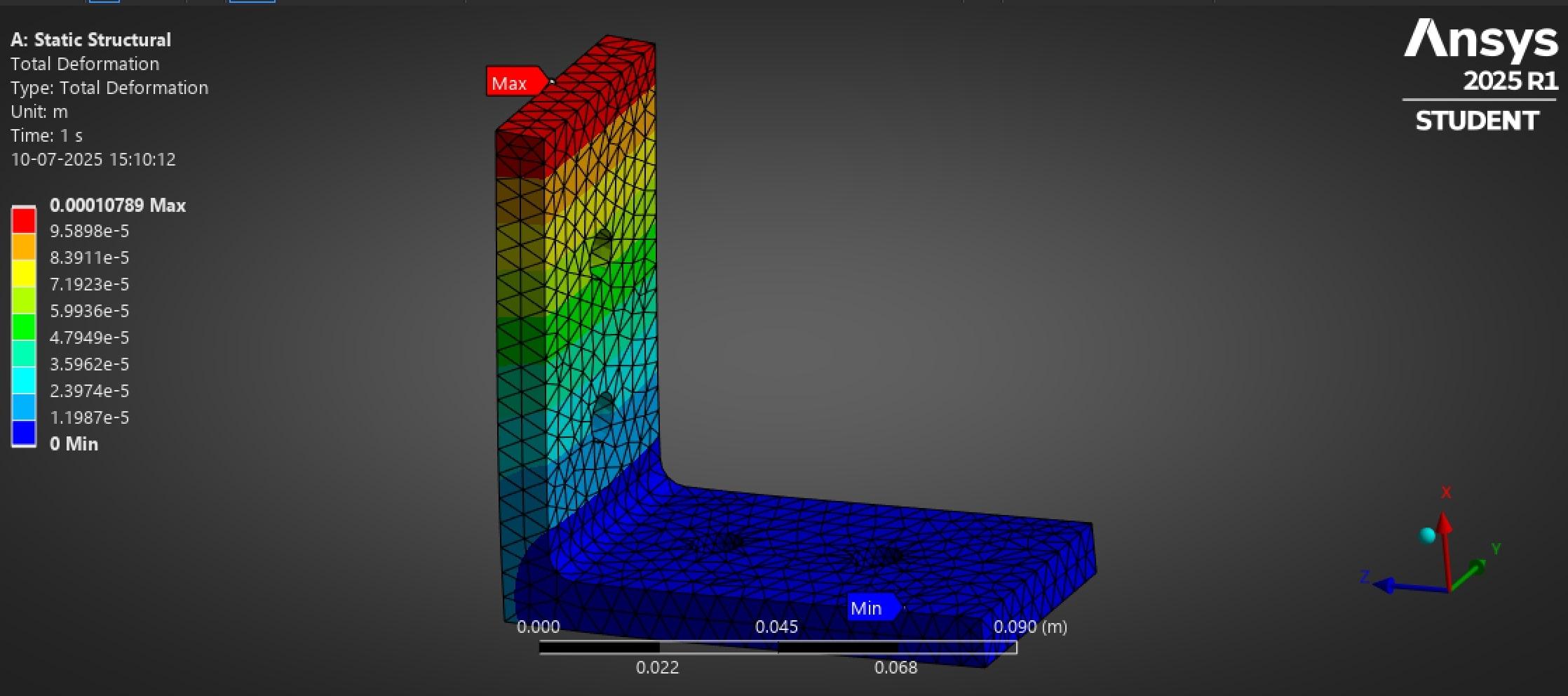
Designed a structural bracket and performed static structural analysis to evaluate stress distribution and deformation, optimizing for strength-to-weight ratio.
- Modelled the bracket geometry in CAD (SolidWorks/NX) incorporating fillets, bolt holes, and mounting features for manufacturability.
- Conducted mesh convergence studies in ANSYS, refining element sizes in high-stress regions to ensure result accuracy.
- Evaluated von Mises stress and total deformation under static loading to identify potential failure points.
- Proposed design modifications to reduce peak stress concentrations while maintaining structural integrity.
Focus
Aeroacoustics
Role
ML Engineer
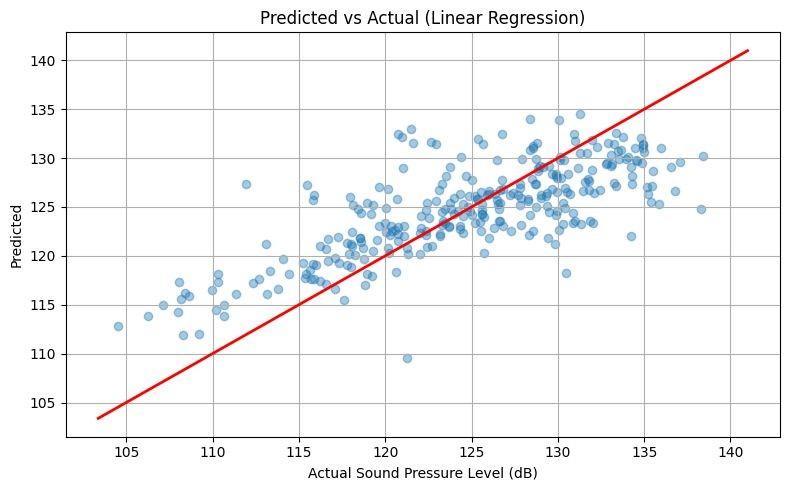
Regression-based machine learning model to estimate airfoil self-noise based on aerodynamic and geometric parameters.
- Processed aerodynamic datasets containing features like angle of attack, chord length, free-stream velocity, and suction side displacement thickness.
- Implemented and compared regression models (Linear, Decision Tree, Random Forest) to predict Scaled Sound Pressure Level (SSPL).
- Analyzed feature importance to understand how flow velocity and frequency affect acoustic output.
- Evaluated model performance using RMSE and MAE metrics to select the most robust predictor for aeroacoustic design.
Altitude
≈180 km (sim)
Aerospace · MATLAB · TrajectoryAcademic Project
Role
Simulation Engineer
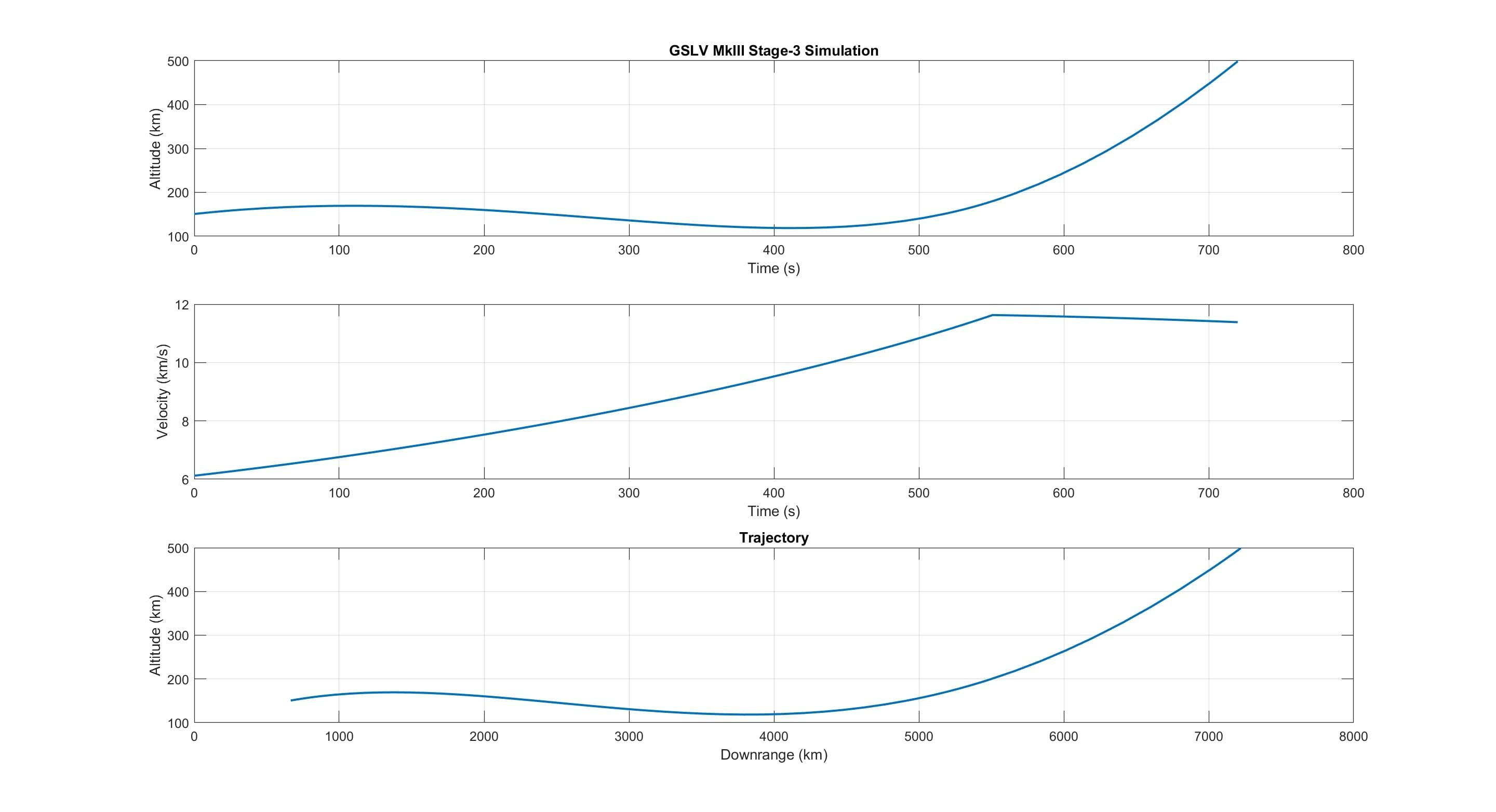
Numerical trajectory model of the 3-stage GSLV MkIII (S200, L110, CE-20) to analyze ascent performance and orbital injection parameters.
- Formulated equations of motion for a multi-stage vehicle, modeling the S200 solid boosters, L110 liquid core, and CE-20 cryogenic upper stage.
- Incorporated aerodynamic drag as a function of dynamic pressure and altitude-dependent air density.
- Simulated pitch-over maneuver and gravity turn trajectory to minimize gravity losses during ascent.
- Calculated key flight parameters: velocity, altitude, flight path angle, and dynamic pressure (Q) throughout the burn duration.
Pipeline
Full-stack ML → Web
Role
ML & Full-Stack Developer
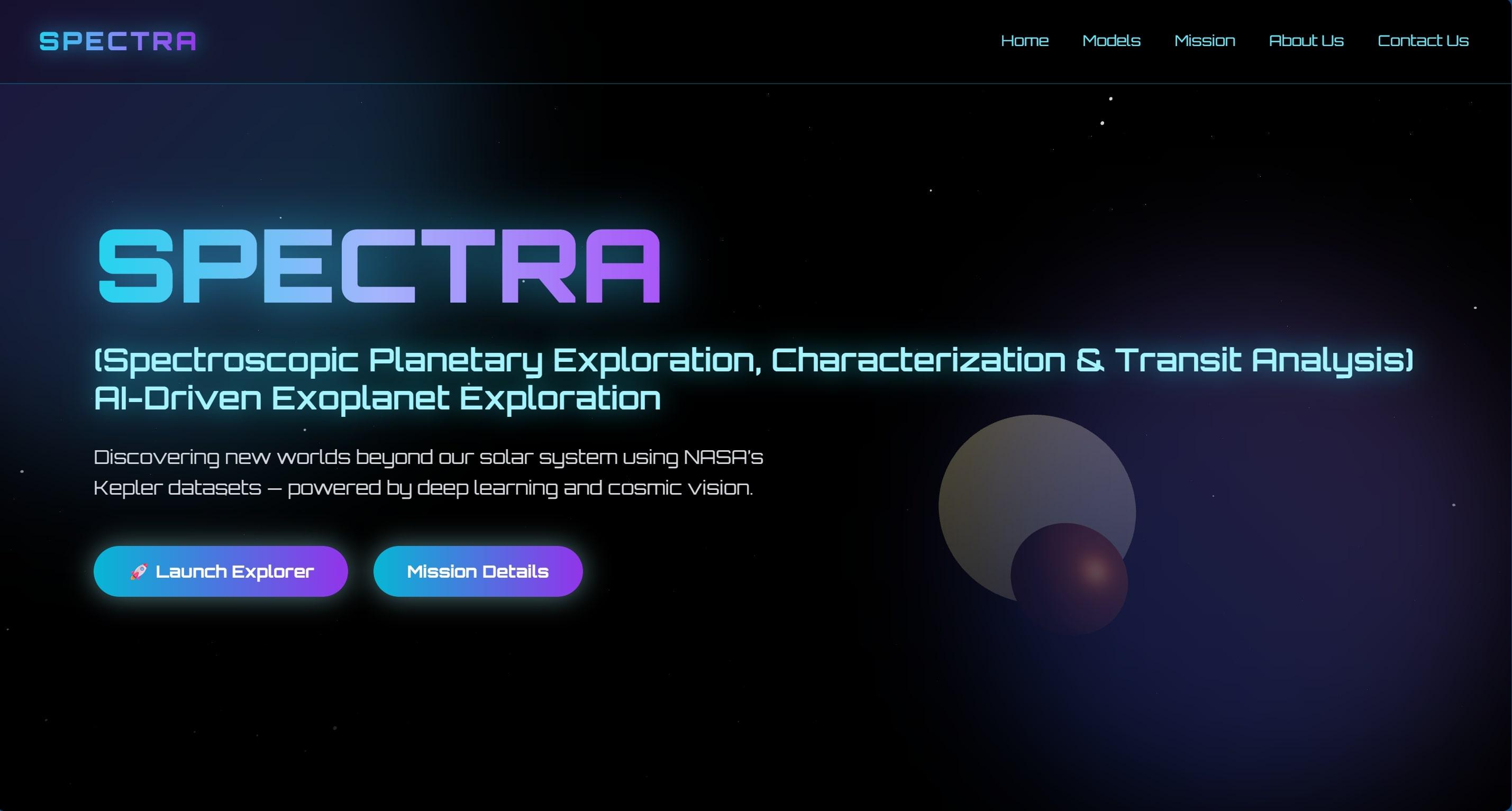
AI-powered full-stack web application for detecting and characterizing exoplanets using NASA Kepler mission data.
- Developed a dual-model system: Classification (Confirmed, Candidate, False Positive) and Characterization (Habitability, Water Potential).
- Trained XGBoost and MLP Neural Networks on processed Kepler data, achieving high accuracy on imbalanced datasets.
- Built a responsive frontend with React, Tailwind, and Framer Motion for interactive data visualization.
- Deployed a Flask API backend to serve real-time model predictions to the user interface.
Scope
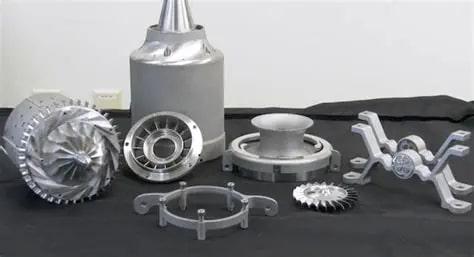
Metal & polymer AM
Literature Review · AM · AerospaceMay 2025 – Jun 2025
Role
Research Intern
Comprehensive review of additive manufacturing technologies (SLM, EBM, DED) for flight-critical aerospace components.
- Analyzed behavior of aerospace alloys (Ti-6Al-4V, Inconel 718) and high-performance polymers (PEEK, ULTEM) in AM processes.
- Identified key challenges: residual stresses, porosity, surface roughness, and certification bottlenecks.
- Highlighted design opportunities using topology optimization and lattice structures for weight reduction.
- Reviewed industrial adoption cases from NASA, Airbus, and GE for engine and structural components.
Focus
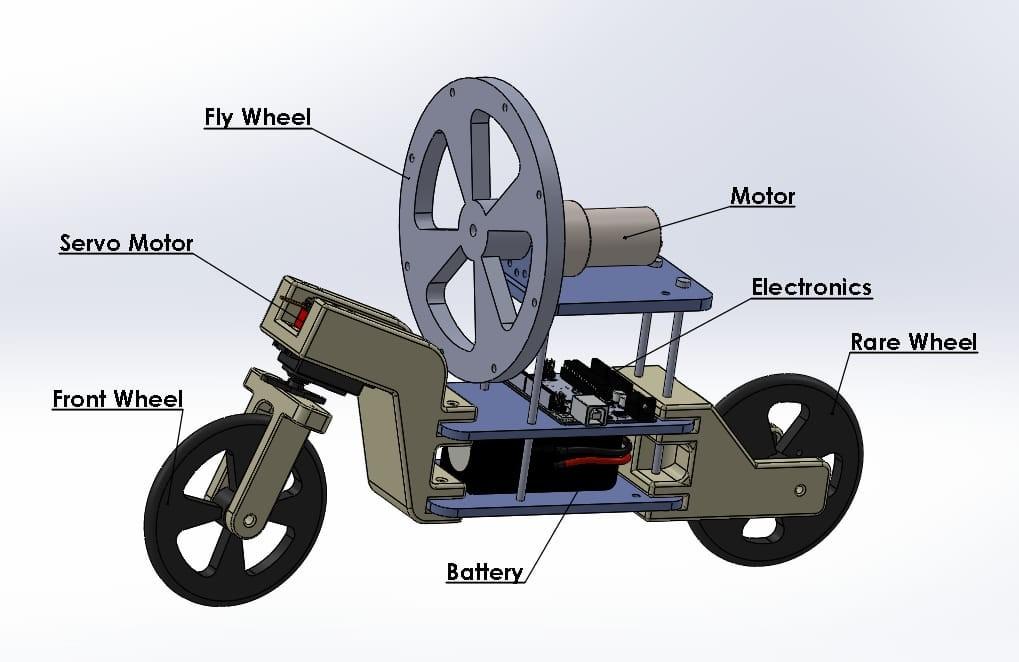
Gyro-based stability
Role
Designer & Integrator
Prototype two-wheeler utilizing active control and gyroscopic principles to maintain upright stability.
- Modeled the system as an inverted pendulum, analyzing the physics of stability and center of gravity.
- Implemented a reaction wheel system controlled by an Arduino and IMU (MPU6050) to counteract tilt.
- Developed a PID control loop to adjust motor speed and torque in real-time based on lean angle data.
- Designed the mechanical chassis to house electronics and motors while optimizing mass distribution.
Key Metric
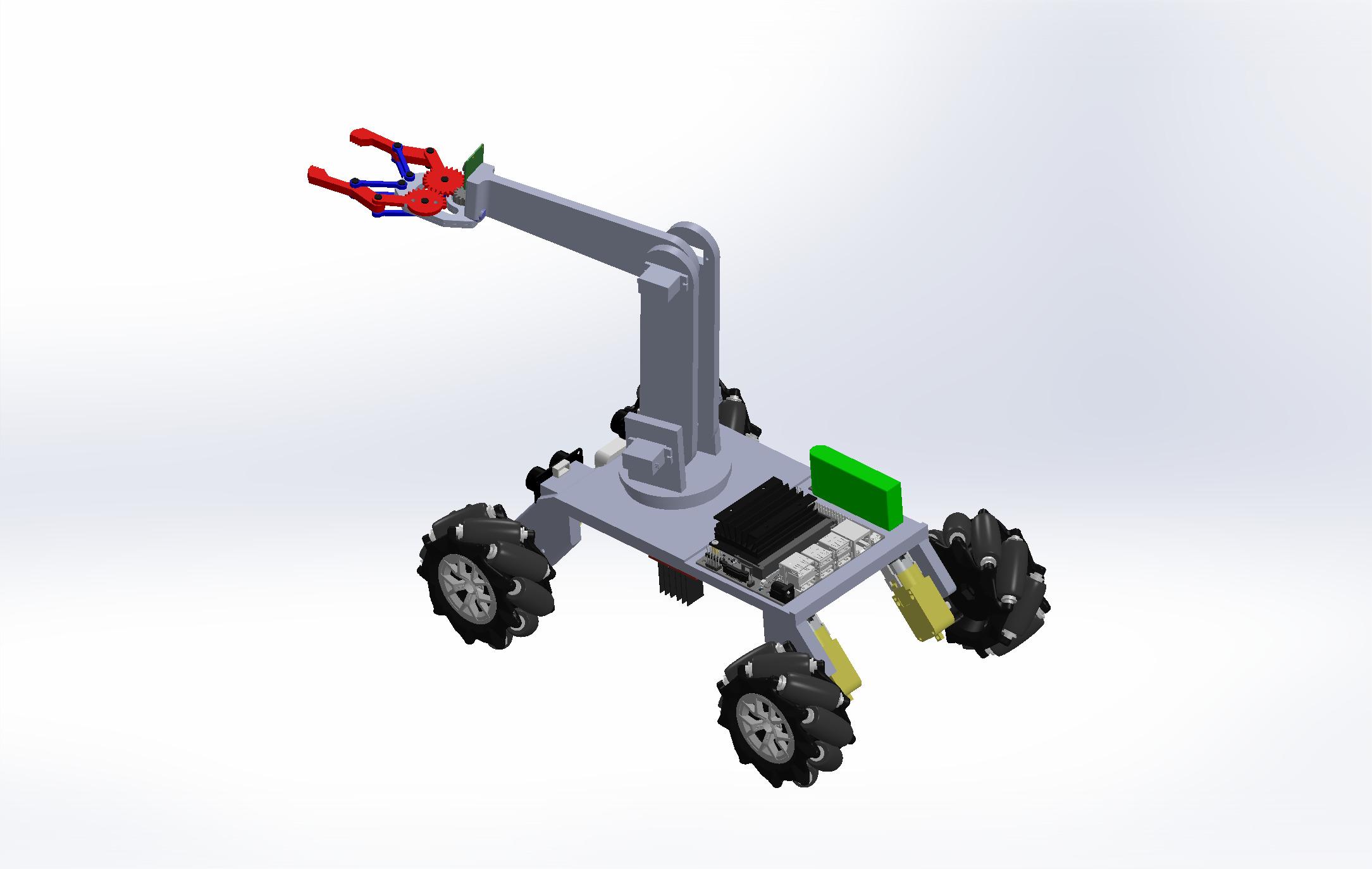
Adaptive behaviour
Role
Algorithm & Systems Lead
Autonomous robot designed to demonstrate intelligent learning behavior and adaptation for the 'Robots for Research' challenge.
- Implemented pattern recognition algorithms for line following, color detection, and shape identification.
- Designed an adaptive control framework allowing the robot to infer rules from examples and adjust strategy dynamically.
- Optimized for the scoring rubric: 40% learning accuracy, 30% adaptation to new rules, 30% algorithmic clarity.
- Integrated sensor fusion to ensure robust operation under varying environmental conditions.
Classes
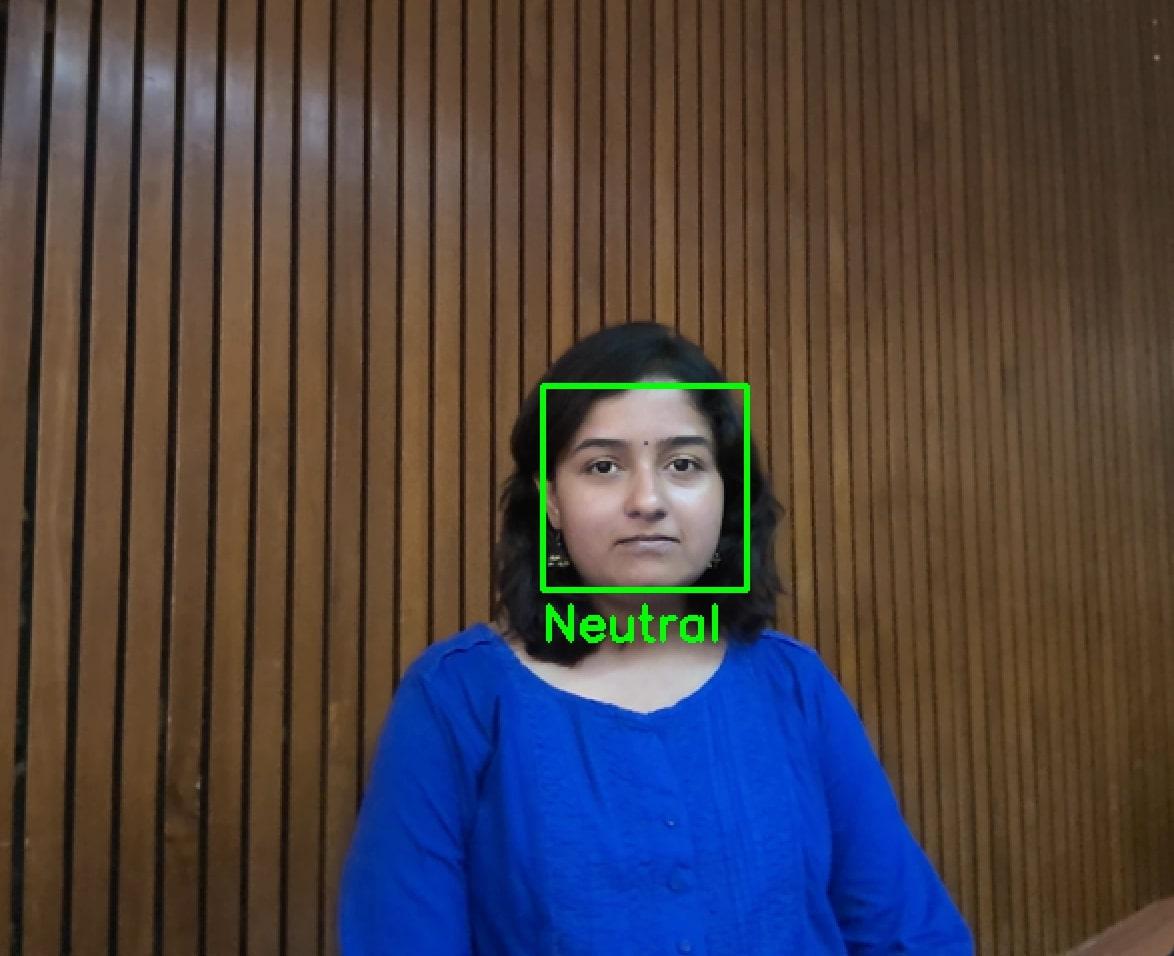
7 emotions
Real-time facial expression analysis system using a Convolutional Neural Network (CNN) integrated with OpenCV.
- Trained a CNN on a facial emotion dataset to classify 7 categories: Angry, Disgust, Fear, Happy, Neutral, Sad, Surprise.
- Built a live inference pipeline using OpenCV for face detection (Haar Cascades) and preprocessing.
- Optimized the model for low-latency performance to enable smooth real-time video processing.
- Demonstrated potential applications in Human-Computer Interaction (HCI) and user feedback analysis.
Accuracy
≈99.8%
Computer Vision · Thermal Imaging · CNN2024 – 2025
Role
Researcher
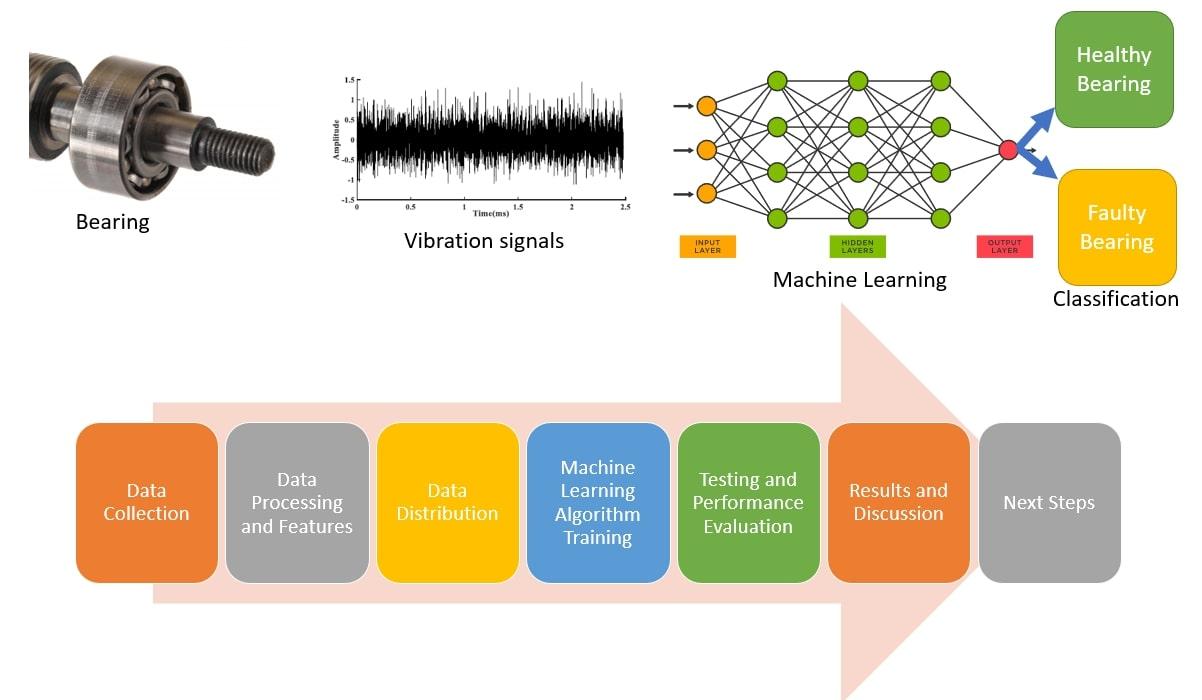
Deep learning model for non-intrusive fault detection in ball bearings using thermal imaging, published at ICRAM 2025.
- Classified 6 specific conditions: Healthy, Ball Defect, Cage Defect, Inner Race Defect, Outer Race Defect, Lack of Lubrication.
- Achieved 99.25% validation accuracy with a low validation loss of 0.0445.
- Designed a specialized CNN architecture optimized for thermal texture analysis.
- Applied extensive data augmentation (rotation, flip, scaling) to ensure robustness in industrial environments.
Use-case
Real-time QC
Role
Computer Vision Engineer
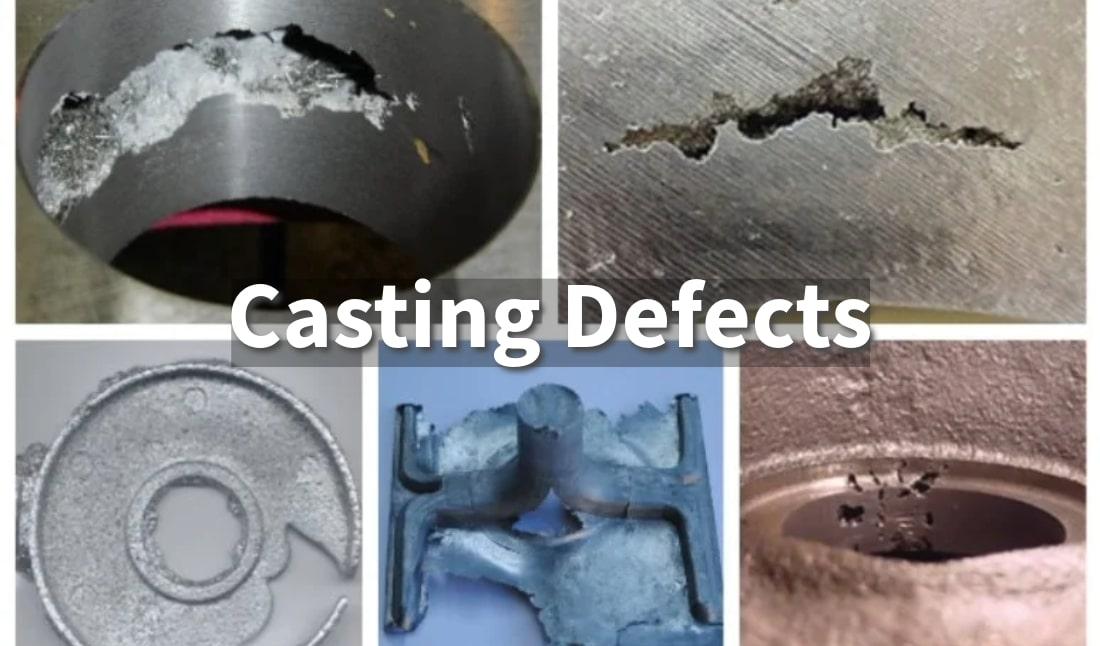
Automated visual inspection system for casting defects using Transfer Learning with MobileNetV2.
- Fine-tuned MobileNetV2 to classify casting surface images as 'Defective' or 'Non-Defective'.
- Achieved ~88% validation accuracy, demonstrating feasibility for real-time shop floor quality control.
- Implemented L2 regularization, dropout, and learning-rate scheduling to prevent overfitting.
- Analyzed performance using confusion matrices and ROC curves to minimize false negatives.

MAE
≈0.83
Motorsport Analytics · XGBoost · Optuna2018 – 2024 Data
Role
ML Engineer
Machine learning pipeline to predict F1 driver finishing positions using historical race data and hyperparameter optimization.
- Processed data from 2018-2024 seasons, engineering features for drivers, teams, circuits, weather, and tires.
- Utilized XGBoost Regressor with automated hyperparameter tuning via Optuna (30 trials).
- Achieved a Mean Absolute Error (MAE) of 0.83, providing highly accurate position estimates.
- Deployed an interactive Streamlit app allowing users to input race scenarios (e.g., 'British GP - Haas - P9').
Design Focus
Urban, low-speed wind
Role
Student Investigator
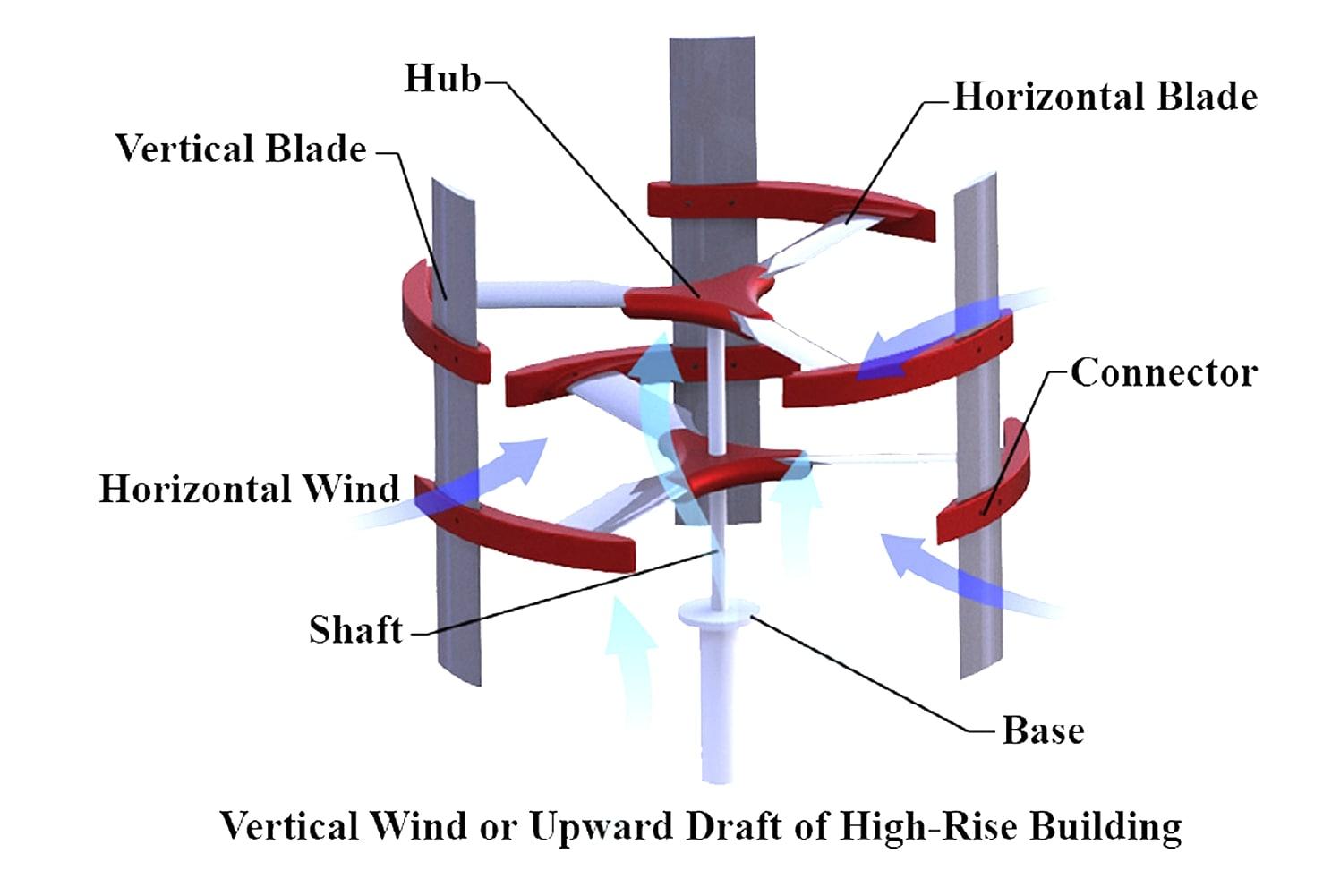
Design and fabrication of a hybrid wind turbine prototype optimized for low-speed, turbulent urban wind conditions.
- Designed a hybrid rotor configuration with 3 vertical and 6 horizontal 3D-printed PETG blades.
- Integrated a 5:1 planetary gearbox to step up RPM for efficient power generation.
- Proposed a budget of ₹92,733 for full prototyping including generator, battery, and structure.
- Analyzed potential for decentralized energy generation in rural and urban settings.
Have a problem worth simulating or automating?
I love taking messy engineering problems and turning them into models, code and prototypes. If any of these projects sparked ideas, let's talk.